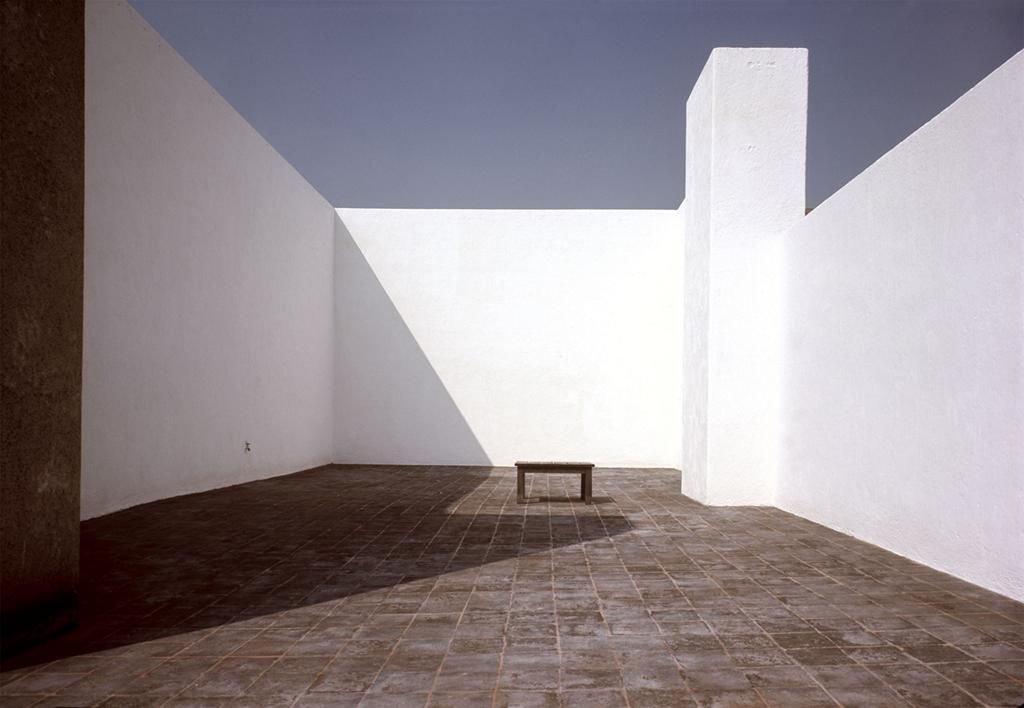
The void
What if some of the most meaningful spaces in architecture are the ones designed to do nothing? The void is not simply an empty room or leftover space, but an intentional absence—a place without program, instruction, or agenda. From Louis Kahn and Luis Barragán to Le Corbusier, this essay explores the quiet power of spaces that give nothing back except time, contemplation, and the freedom to simply be.
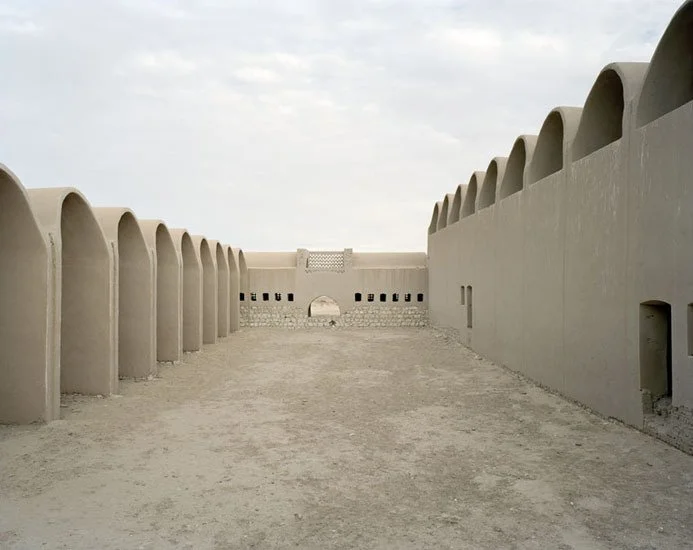
Nature in architecture
Nature in architecture. It's a constant note in writing about design these days. But is it just a plant? A garden? A tree in the yard? A fountain in the lobby? I feel the term has been exploited to such a degree that it's losing its purpose.
For me, the project has to come from the land, not the other way around. The land dictates the material palette, where the building sits, how high it rises, what shape it takes, and how it interacts with everything around it. How it touches the ground.
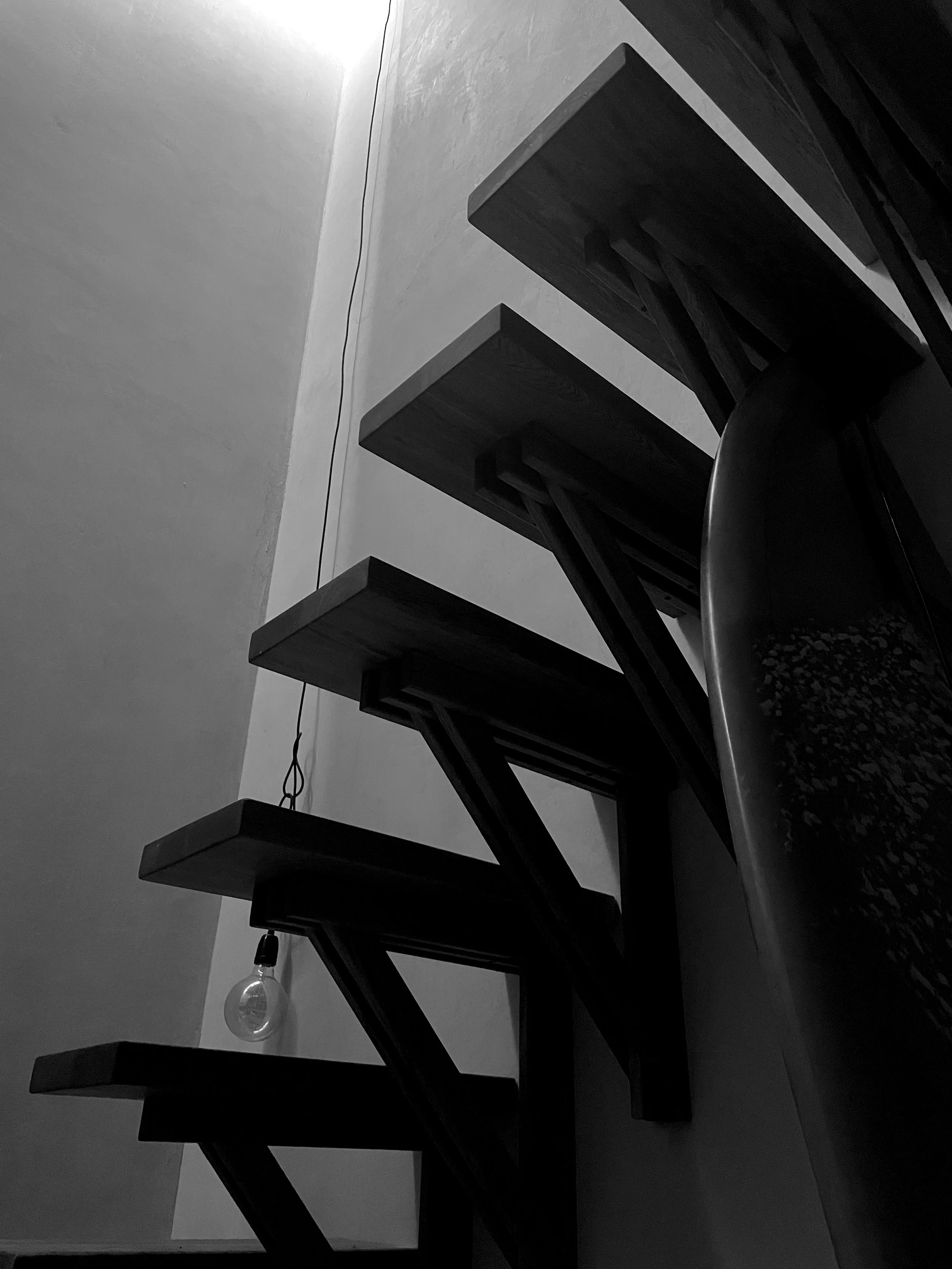
Time as a Building Material
Architecture is often measured by deadlines, budgets, and construction schedules. But some of the most important design decisions happen in the quiet moments when a project is left alone. This is a reflection on why time may be one of architecture's most valuable building materials.
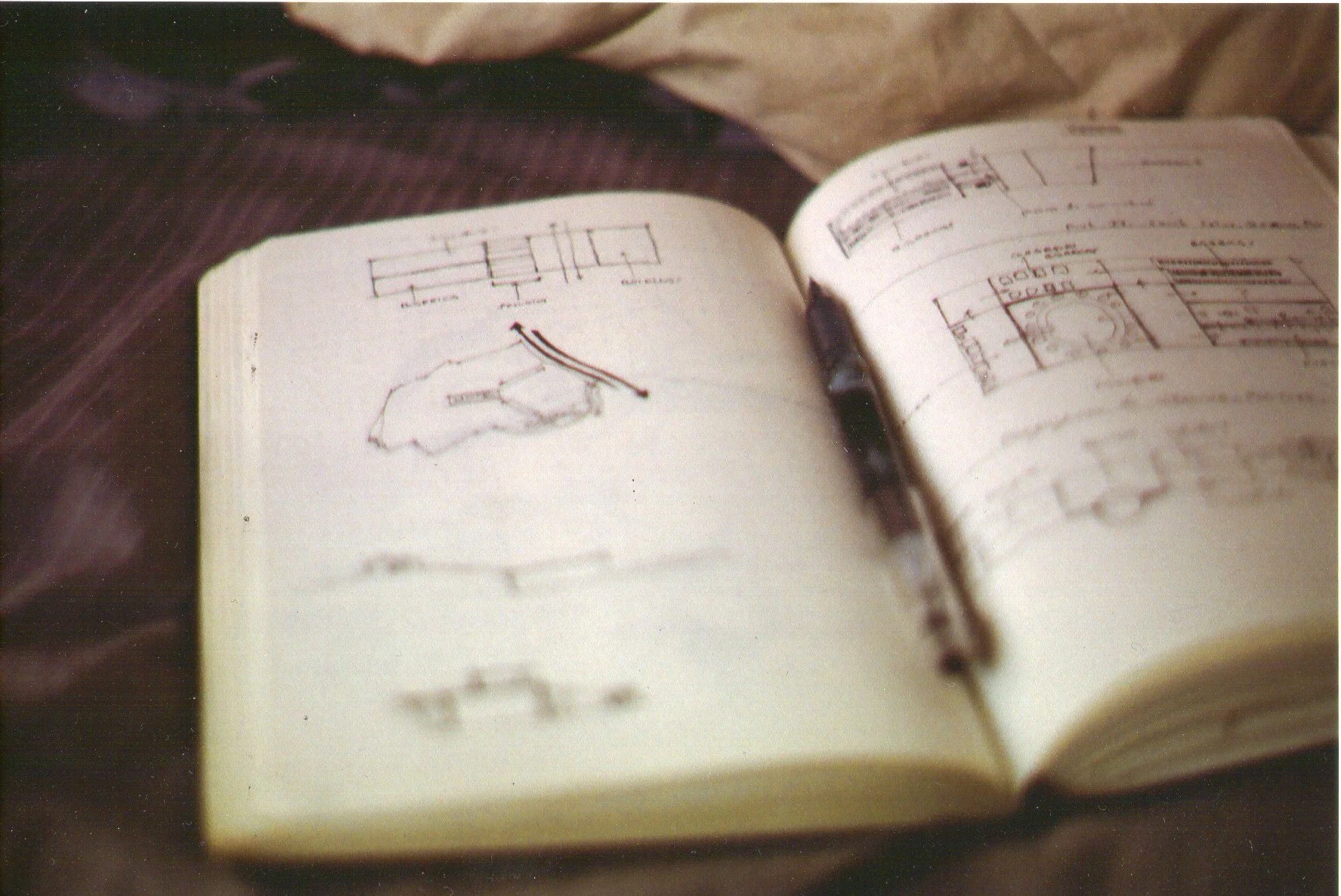
The Quiet Lie of Contemporary Architecture
We keep calling things contemporary — black facades, metal roofs, the usual gestures. But the buildings that actually stop me are doing something quieter and harder to name. This is my attempt to name it.
The Architecture of Memory
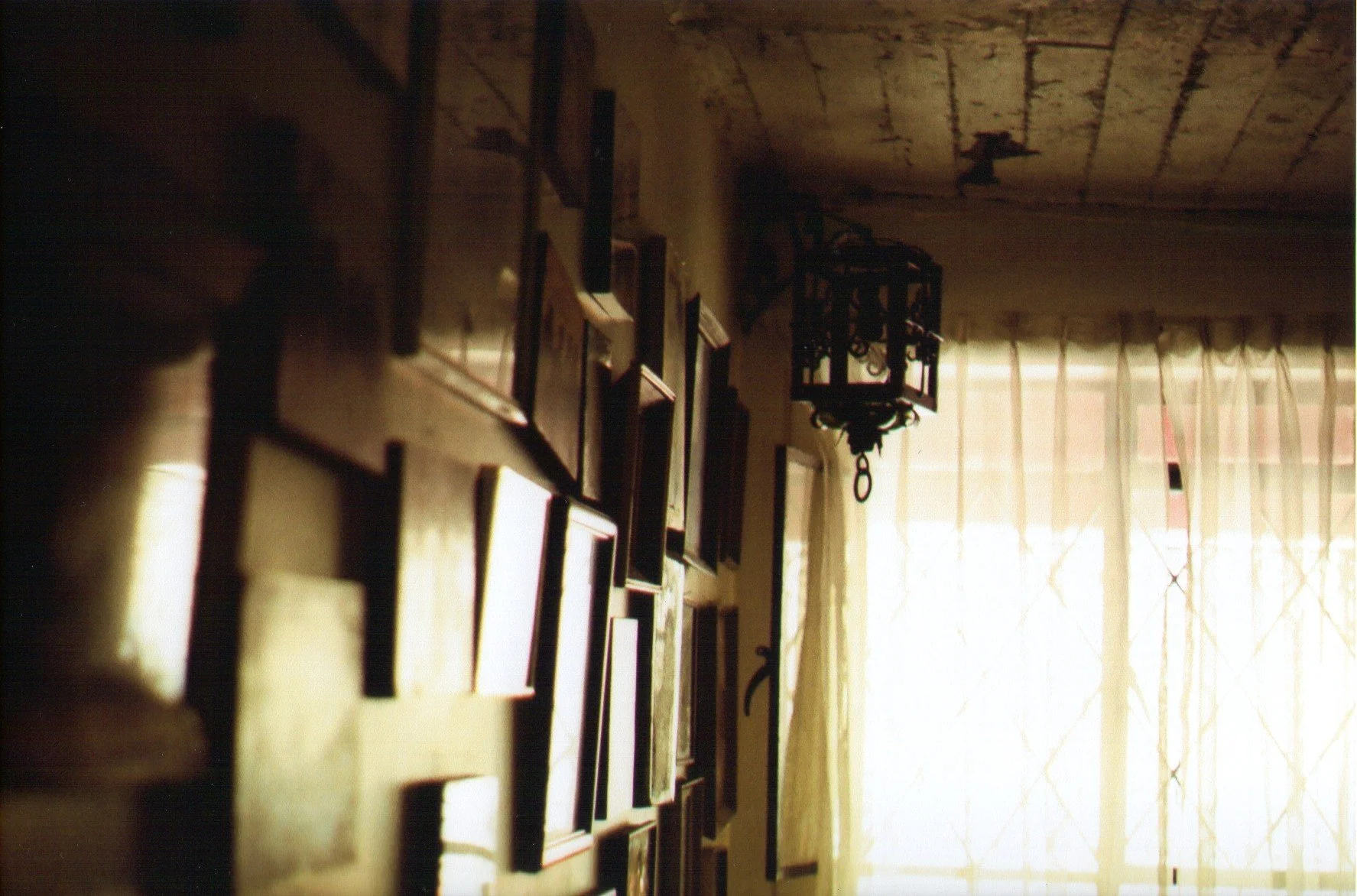
Architecture doesn't just shelter memory — it becomes it. The walls we grow up inside shape how we see every wall that comes after.