Nature in architecture
Nature in architecture. It's a constant note in writing about design these days. But is it just a plant? A garden? A tree in the yard? A fountain in the lobby? I feel the term has been exploited to such a degree that it's losing its purpose.
Before I go further, I want to say I do like a garden, a fountain, a tree. I have a lot of appreciation for landscape designers and for the way plants soften the harshness of our tectonic environment.
But to talk about nature in architecture, I want to go beyond the easy greenery of it. A garden is just a feature within a project. Nature isn't something you add to architecture. Nature is the condition architecture enters.To understand nature in architecture, you have to go deeper into the ground. It is more than soil and plants, it's everything that surrounds a project. And I mean everything: the roads leading to it, the light, even inside a developed city, the nature of a lot can be found in the surrounding buildings, the materials, their shade and height around a new project.
Whenever I approach a new project, I want to immerse myself in the land as much as possible. Ideally I already have a topographic drawing with all the trees laid out on it. I know exactly where east and west are. How the sun moves across the sky and the prevailing winds move through the seasons.
But the full nature of a project also has to do with sound, neighboring construction, construction methods and materials, the color of the soil, the views or wild gardens already on the land, and so much more. And then I ask: what does it mean for a building to belong to a place?
For me, the project has to come from the land, not the other way around. The land dictates the material palette, where the building sits, how high it rises, what shape it takes, and how it interacts with everything around it. How it touches the ground.
Because the reality is that whatever you build anywhere becomes part of the nature of that place. It is immersed in and in full interaction with everything around it. After that there is precedent, there is presence and geometry in place.
That interaction has many shapes and outcomes, whether you like it or not. In my practice, it's based on a conversation, one that ideally engages with the land, understands it, plays with it. Beyond the metaphor, what I'm trying to achieve is that whatever I'm dreaming of as a building has a full relationship with the land around it. I want it to belong, and to thrive. I want the construction to feel like it was always there. I want the materials to age with beauty and ease, and the plants to regain shape and thickness around it.
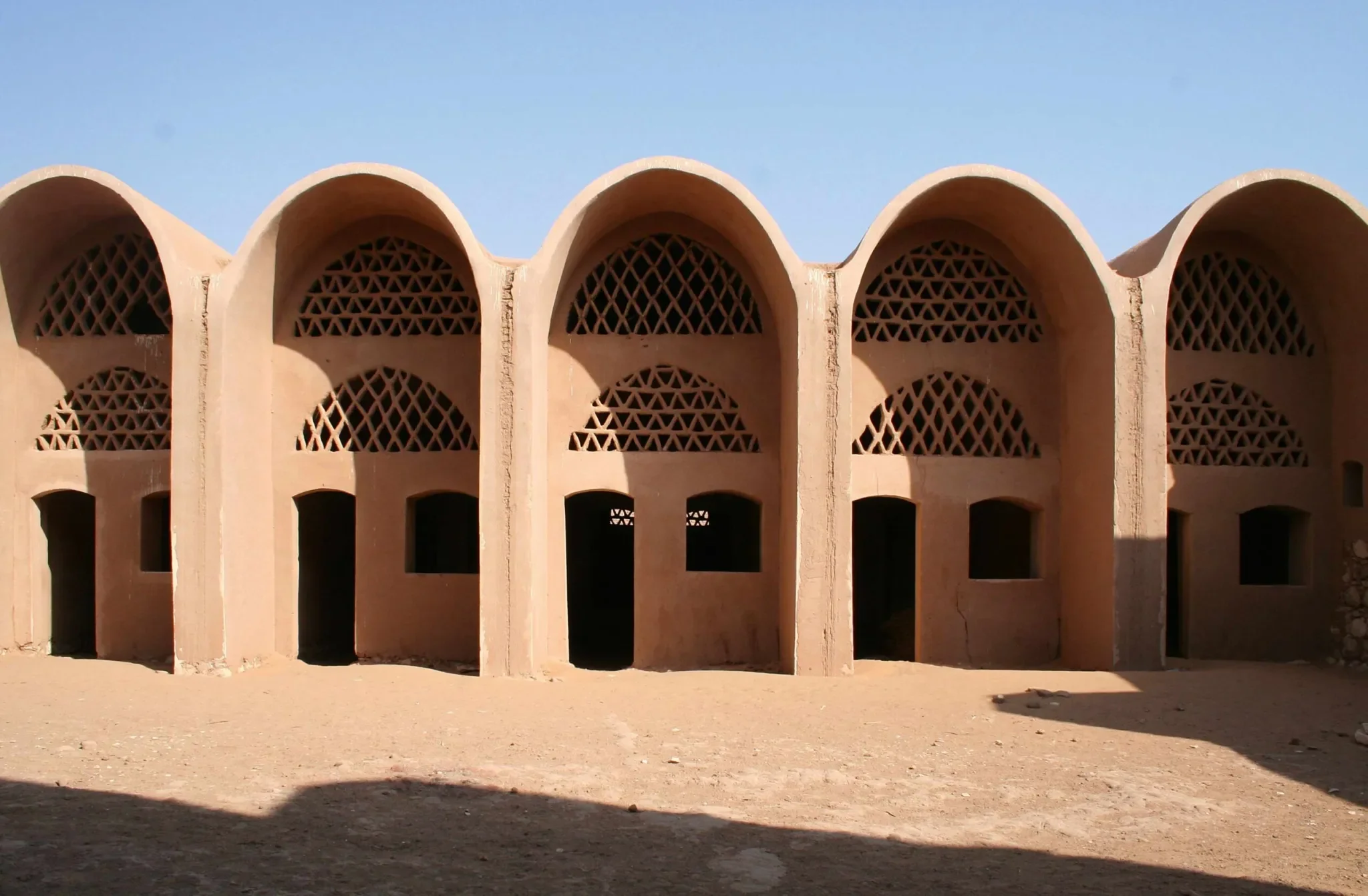
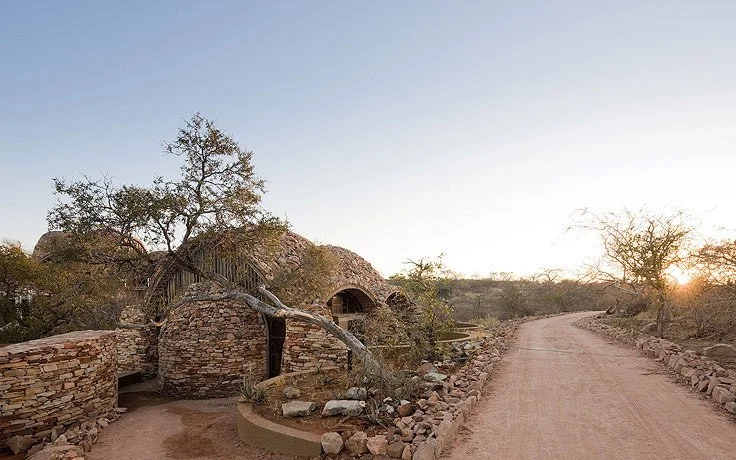
Take, for example, the architecture of Hassan Fathy or the Mapungubwe Interpretation Centre by Peter Rich. Both are in remote locations, both in Africa. And yet, coming from two different deserts with different contexts and construction dynamics, they arrive at two different things that both thrive in the land.
Hassan Fathy goes so deeply into the inner wisdom of the Saharan desert that it shapes the very purpose of his architecture. It's no accident, no ego. His architecture comes from the land, from the people who build it, and from the people who inhabit it.
Peter Rich, on the other hand, works from a deep understanding of a material that is available, a technique that can be taught consistently, with a perfect understanding of weather and heat. What results is a project that is not only beautiful but deeply responsive to the needs of the town and the people who use it.
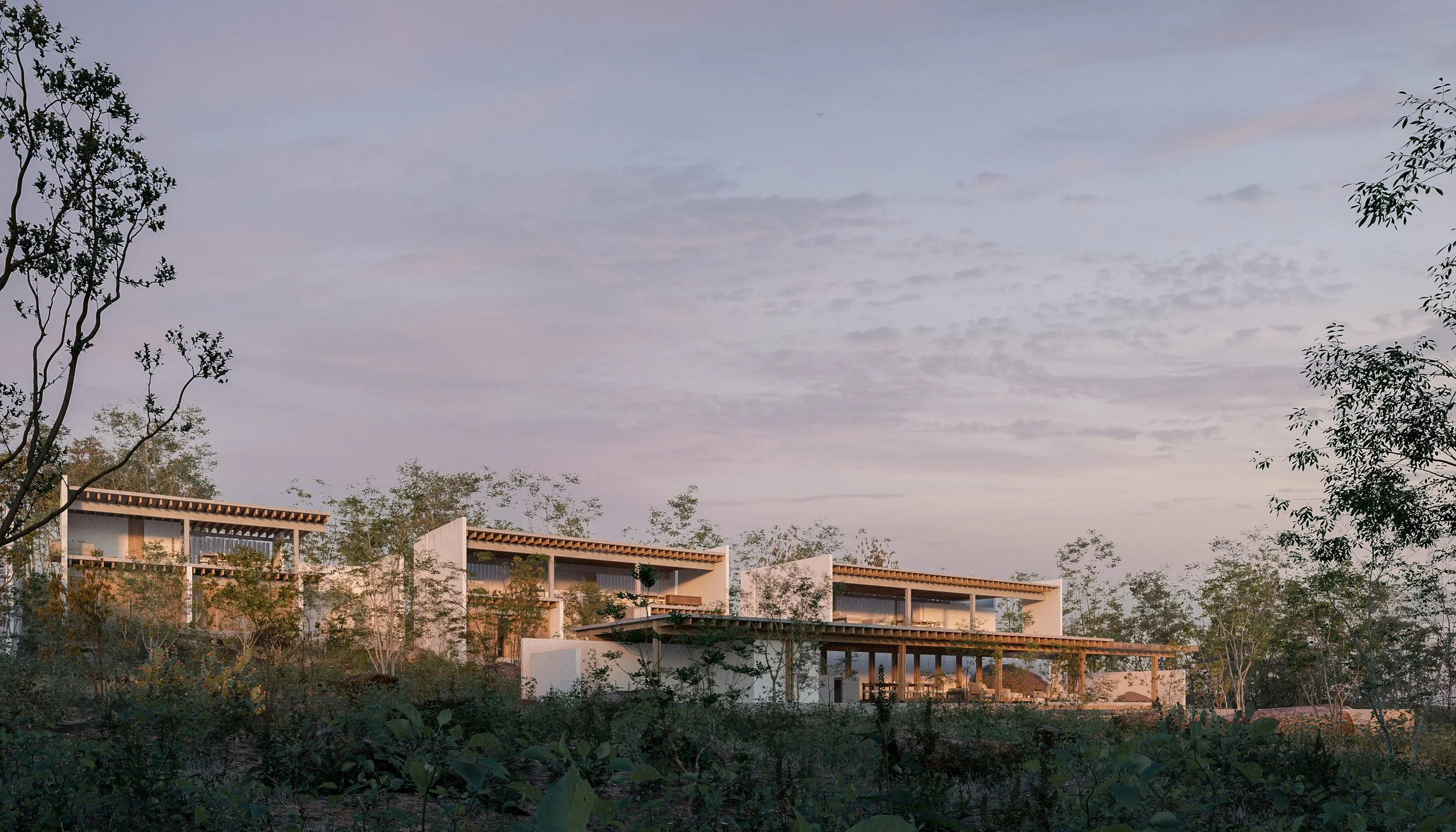
From the studio, the Plataforma project took on a different challenge: three houses for three friends, on a piece of land facing the Pacific diagonally, with a mild slope that enhances the views. There, the decision was to interlock the houses at the corner, stepping down the slope to make room for a pool in front without blocking the view. Each house is open front and back, giving them a private garden behind and, in front, an open view toward the sea and into shared gardens. The placement is no accident, the disposition of the living spaces and bedrooms is decided with purpose and care. Open living spaces that offer shelter but still let the wind cool them down.
Time is the last element of nature that I want to address. It comes last because it takes time to understand its weight. Time is the common denominator in architecture, it works the same way here as it does on the other side of the world. It doesn't stop, and it carries memory. You can feel it in materials as much as you can see it in the passing of architectural movements. This is the element that cannot be seen, but you have to understand it to make something that compels and belongs.
That is the purpose of understanding nature in architecture. It's not based in gardens. It's rooted in context and ground, connected to the people who build it and the people who live in it, the sun that illuminates it, the rain that tarnishes and hits it. Because we are just means to an end. A building will have a life beyond our ideas and our drawings, and it's only fair that architecture ages with dignity, and that the people in it thrive.
