The Architecture of Memory
Being the first post on this journal, it feels appropriate to begin at the origin: the house where I grew up in Mexico City.
More specifically, I want to explore the subconscious influence that house continues to have on my architectural practice and, through it, reflect on the intelligence embedded within Mexico’s self-built culture.
To most people, the house would probably appear entirely unremarkable. It was a modest family home, self-built more than seventy years ago without an architect, constructed through necessity rather than design ambition. Poorly finished in many ways, improvised in others, and slowly altered over time.
Yet it was my home. Looking back, I can trace many of the spatial and emotional ideas that interest me today directly to that place.
Despite having no architect involved, the house contained a surprising degree of intuition. Every room had natural light and ventilation. The bathroom was oversized to accommodate the five to seven people who lived there at different moments in time. The kitchen remained open and generous enough to function as a social space. The circulation between the dining room and kitchen created multiple paths through the house, adding a subtle fluidity to an otherwise simple plan.
Nothing extraordinary individually. But together, the house had coherence.
The facade remains one of the clearest examples. It sticks several feet out from the current street line because it was built before the sidewalk was formally established — a small urban planning accident that unintentionally gave the house presence.
The architecture itself is extremely simple: a garage, a porch, a facade of rough concrete walls painted deep blue with a yellow stripe on top, and a hand-painted number 33 across the steel front door. Wedged between two four-story buildings, it should visually disappear. Instead, it stands out completely.
Not because of any single gesture, but because of the harmony between proportion, color, age, and context. It taught me an important lesson very early on: architecture does not need excess to possess identity.
Then there is the courtyard — perhaps the most essential element in Mexican domestic architecture.
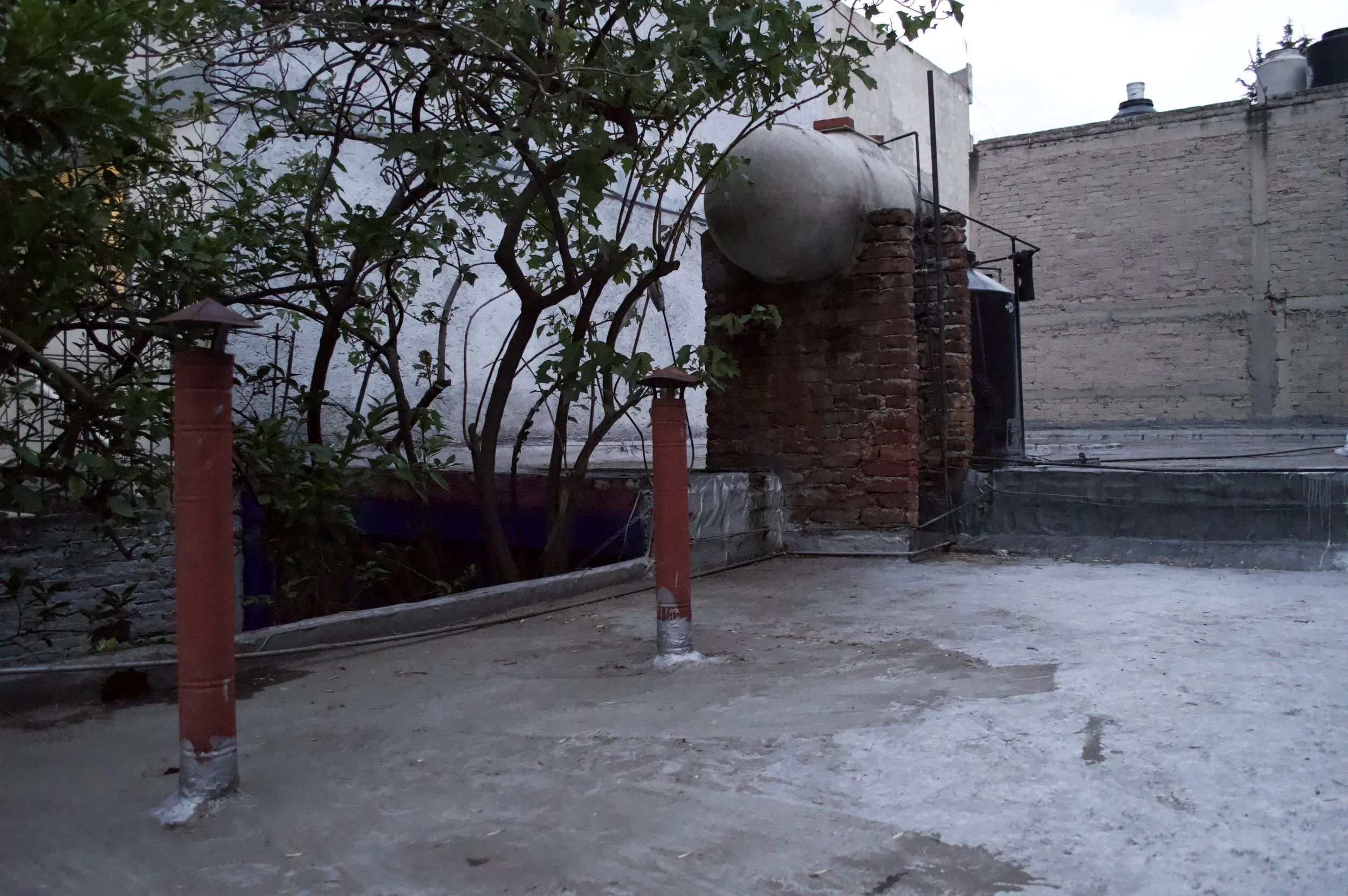
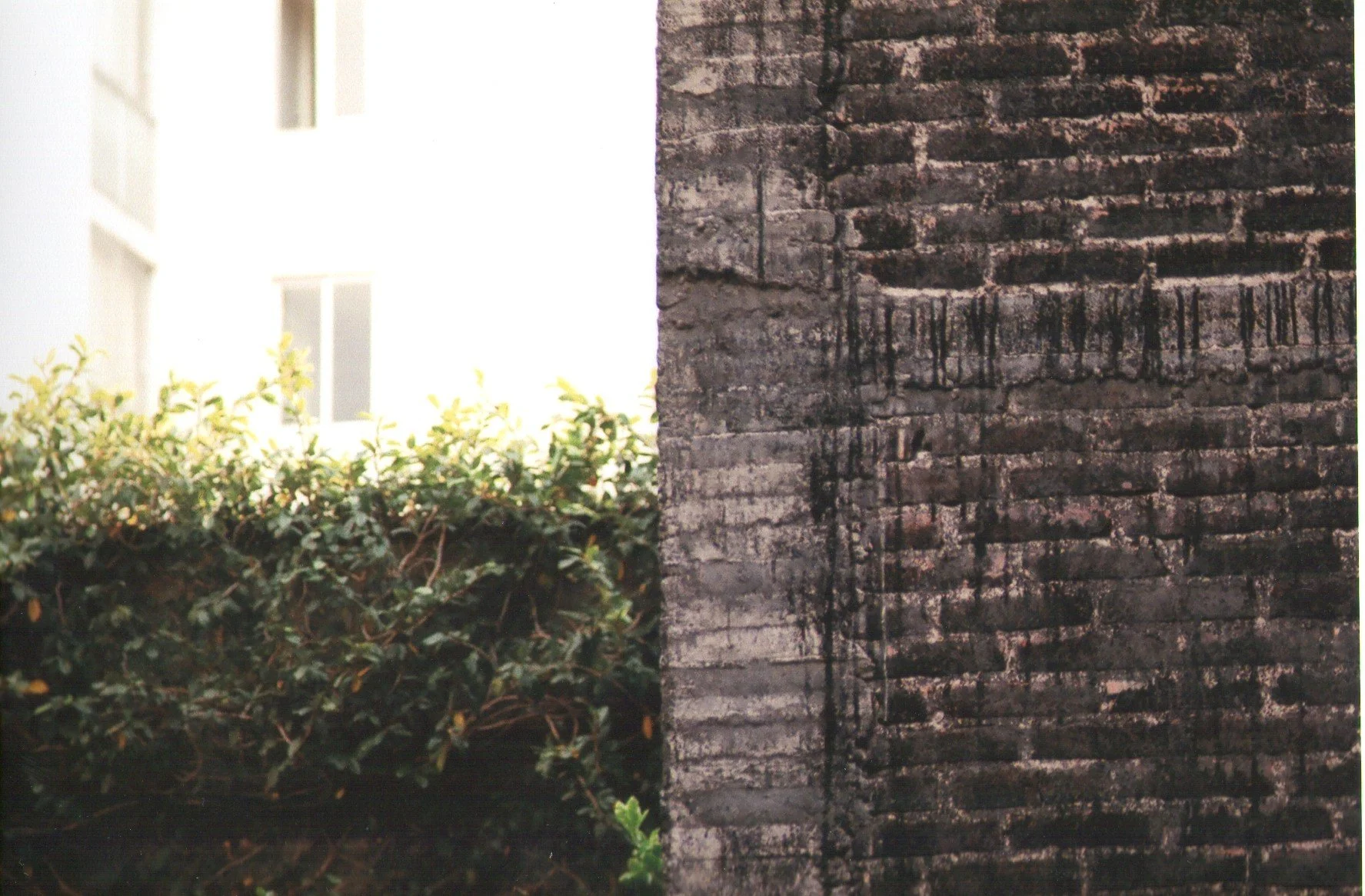
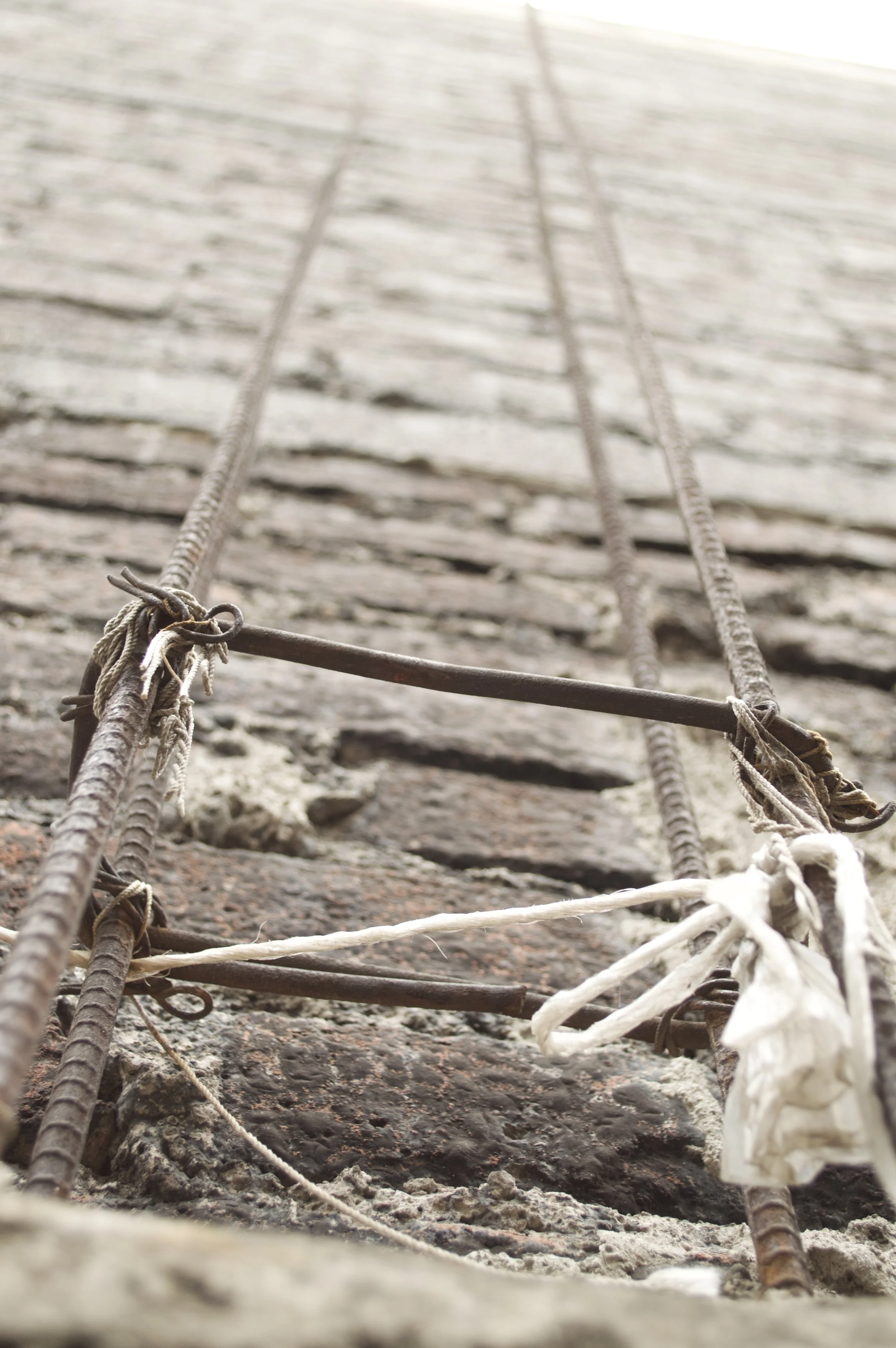
Beyond providing a small open space, the courtyard acted as a passive cooling system long before sustainability became part of architectural vocabulary. A Lima tree filled the air with a citrus scent, while perennial plants turned deep red during the winter months. The floor was made from inexpensive cement cobblestones. A raw steel ladder connected the patio to the roof. The surrounding walls aged unevenly, stained by rain and humidity, some of them slowly falling apart.
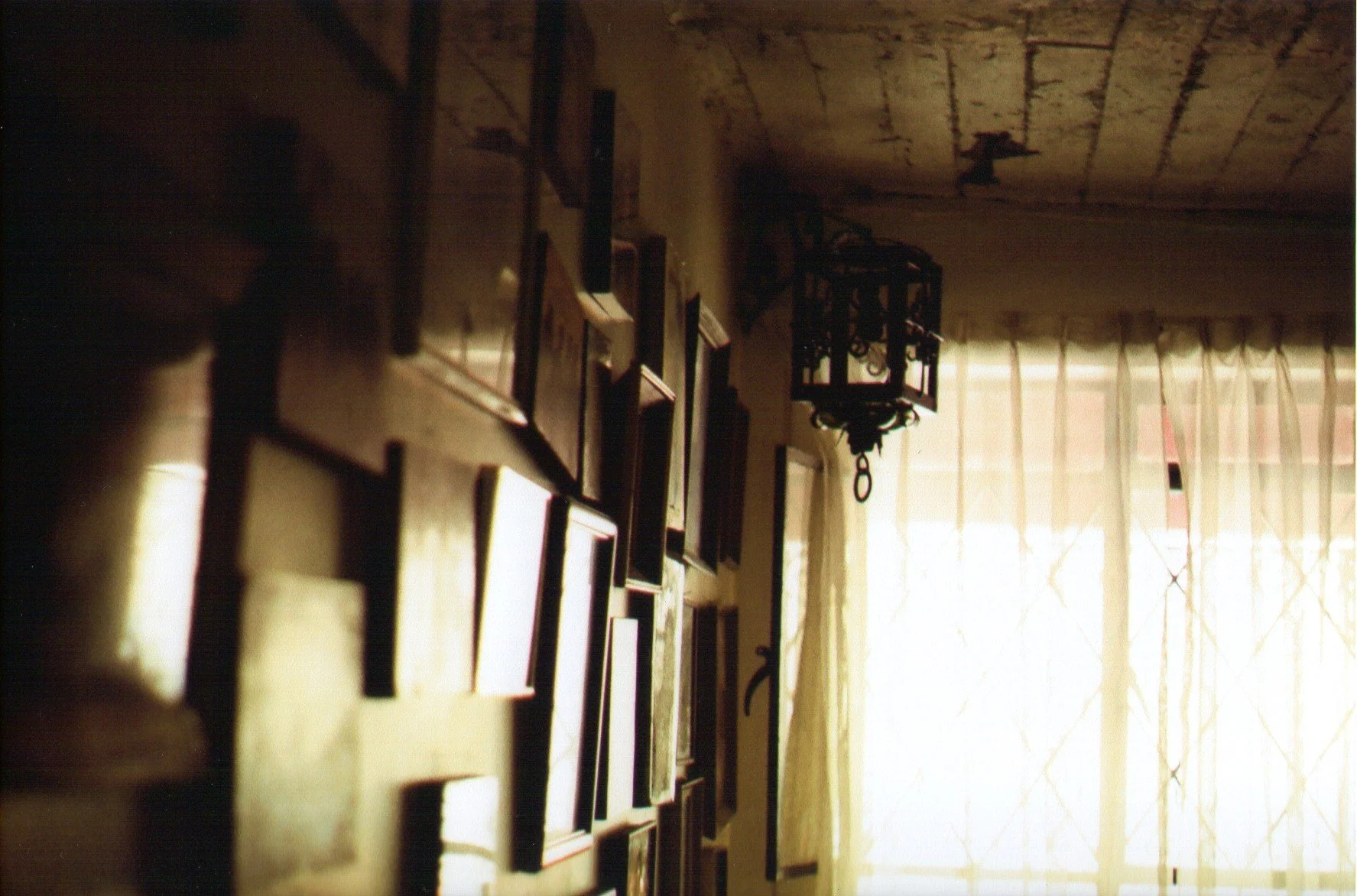
Seen through the interior windows, the courtyard became an ever-changing composition of light, shadow, vegetation, and decay — almost like a living painting.
More importantly, it taught contemplation.
It taught the importance of stopping long enough to notice the smell of wet air before rain, the movement of light across a wall, or the emotional effect of greenery within a dense urban environment. Even in a small dwelling, nature has the power to anchor us within time and season. The courtyard was not simply functional; it created emotional balance.
Materially, the house was built inexpensively: painted concrete block walls, prefabricated dark cement floor tiles, and exposed concrete ceilings. What began as financial necessity produced an unexpected architectural clarity. The structure was exposed honestly. Construction methods remained visible. Nothing pretended to be something else.
Over time, these materials aged heavily — especially the concrete ceilings, constantly exposed to moisture from the flat roof above. Humidity, rain, and time slowly created stains, textures, and imperfections that resembled erosion more than deterioration.
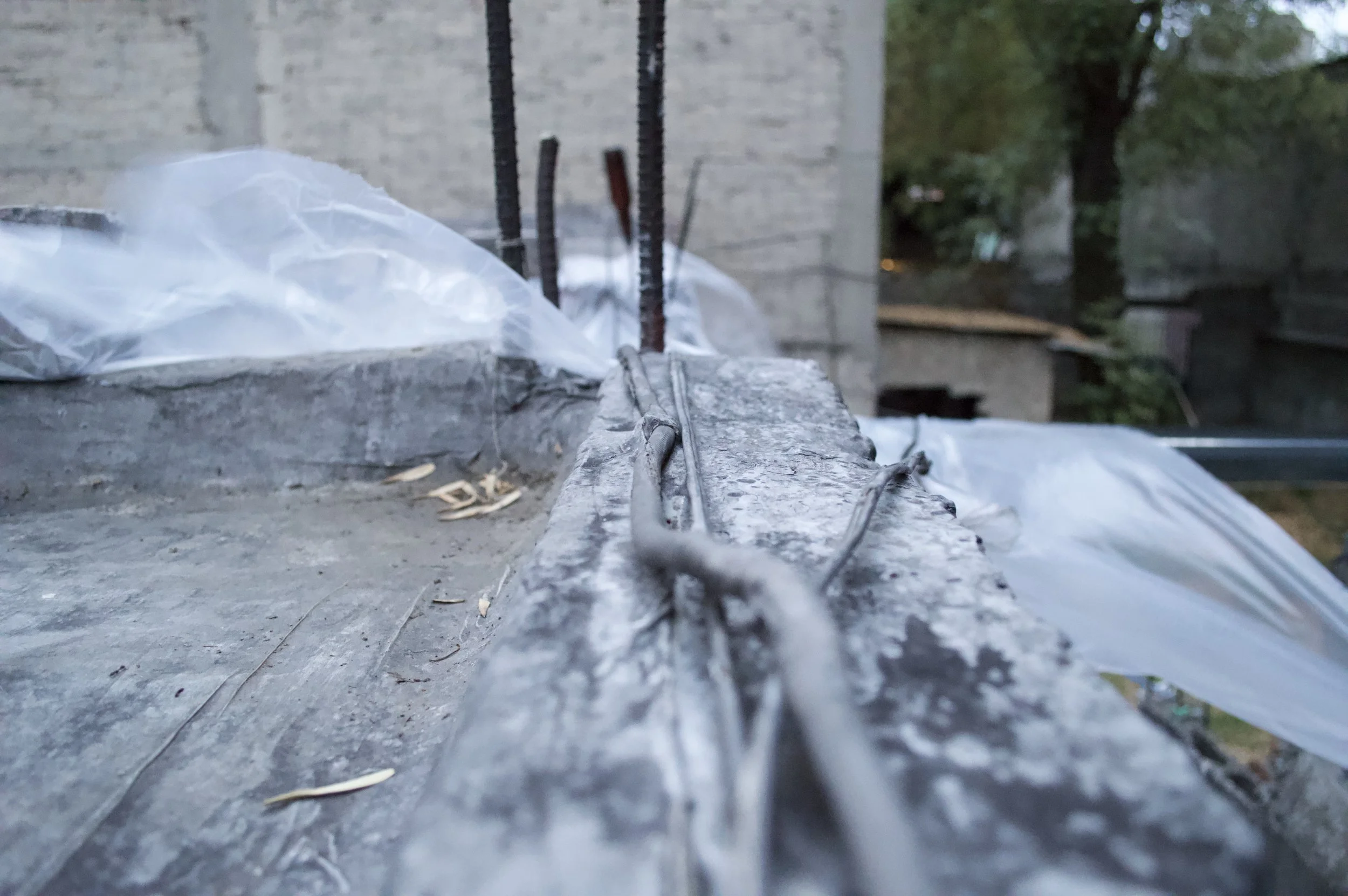
The house itself was never truly finished. More accurately, it was left with the possibility of continuing upward. Exposed steel rebars projected from the roof slab — or, as we often call them in Mexico, “hopeful rebars.” They reflected the idea that these homes are never static; they continue growing alongside the family, expanding according to financial stability, necessity, or aspiration.
Although no additional floors were ever built during my upbringing, those exposed rebars remained as symbols of resilience and possibility. They also embodied the understanding that a house is not a fixed object, but a living organism shaped equally by economic fluctuation and human dreams.
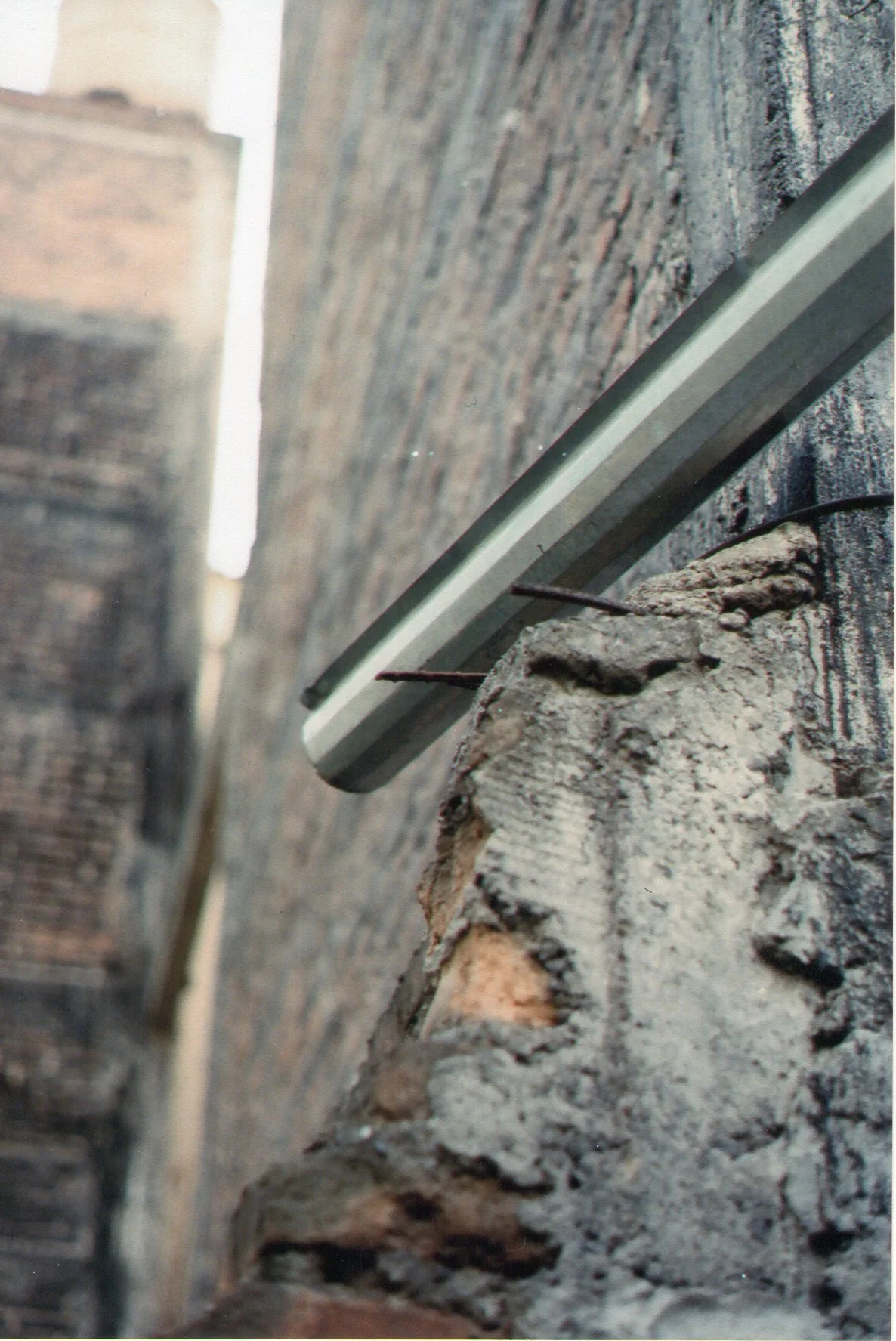
Even aesthetically, those thin steel rods emerging from raw concrete — often capped with upside-down glass bottles for protection from rain — stayed with me like a piece of accidental contemporary art. Something impossible to fully replicate intentionally.
In Mexico, ruin carries a particular cultural weight.
We grow up surrounded by the remains of civilizations that continue to possess beauty long after their original function has disappeared. Pre-Hispanic ruins are admired not despite their decay, but partly because of it. Time gives them gravity.
I think that idea stayed with me.
In my own practice, I often think about architecture not only as something new, but as something capable of aging with dignity — buildings that, even centuries later, could retain atmosphere, presence, and emotional resonance. Architecture that accepts time rather than resisting it.
Contemporary architecture, at least in my eyes, should aspire to that same presence. It should evoke emotion, slow time within an increasingly accelerated world, and create spaces that hold, protect, and nurture human life. Not through perfection or excessive refinement, but through spatial composition, natural light, vegetation, material honesty, and silence.
And by silence, I do not mean acoustic isolation. I mean a kind of mental silence — spaces where materials blend quietly around you, where imperfections become secondary, and where architecture stops demanding attention. Spaces that allow you to think, experience, struggle, create, love, grieve, celebrate, and simply exist more fully.
Perhaps that is what I continue searching for in architecture: buildings capable of aging alongside us, changing slowly like a patina, carrying memory within their surfaces rather than fighting against time itself. And perhaps that fascination began in a small self-built house in Mexico City, long before I had the language to describe it.