The Why
I've been practicing architecture for over a decade now. Four years under the mentorship of Mauricio Rocha and Gabriela Carrillo, where I grew from an intern into a project leader on the remodel of a museum in Mexico City. Then I moved to the coast, where I learned to build with Perma Casco, and together we designed a handful of houses and boutique hotels.
In all that time I learned the how of architecture. And also the what, when, and where. But the question I keep circling back to (the one I still want to answer for myself) is the why.
As a kid I was always curious about construction, though not really as a profession, more as entertainment. I remember watching a housing tower go up on the way to school and just enjoying the process: the floors stacking, the exterior taking shape. I also liked drawing mazes for my friends to decode, imagining I could design a layout like the myth of the Minotaur. One that no one could escape. But I was also drawn to math, physics, and mechanics.
When college came, I applied to both architecture and mechanical engineering, and got into both. I was sure I'd enjoy engineering school. Architecture, I wasn't so sure about. It felt more like a faint, profound calling I couldn't quite explain. So I decided to try architecture first, telling myself I'd switch if it didn't take.
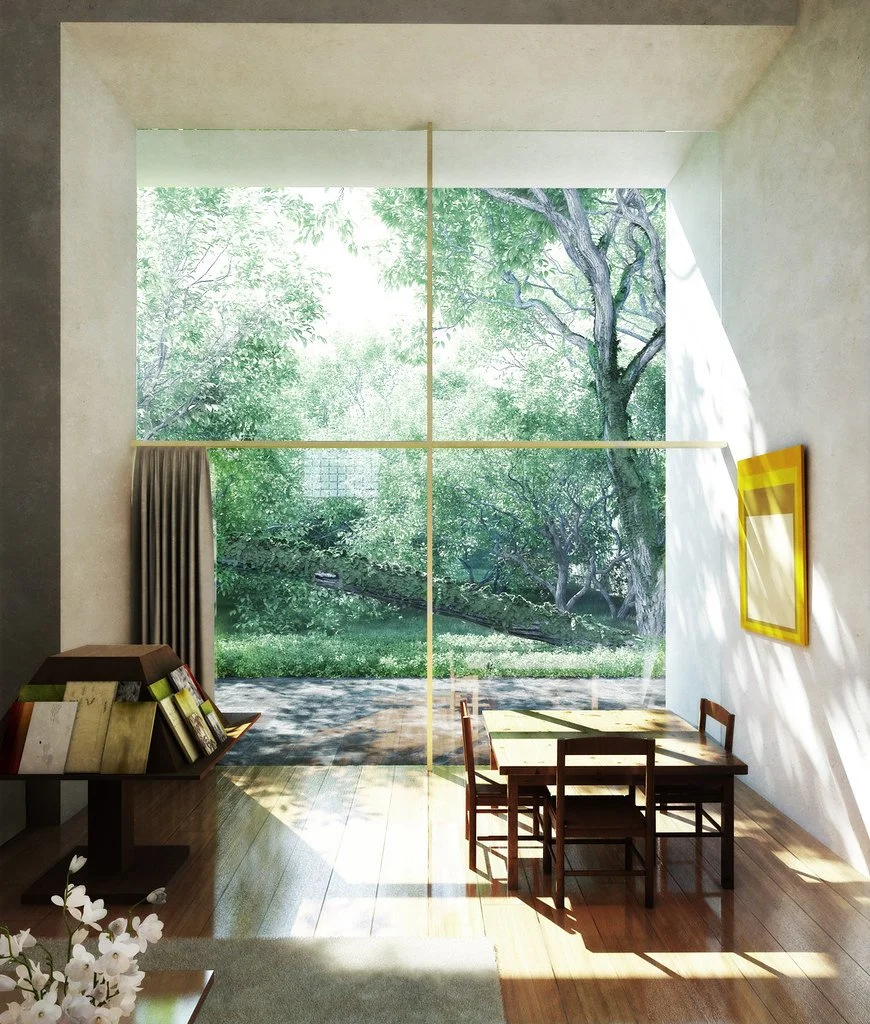
The decision to stay came faster than I expected. In the very first week, they took us to see the Luis Barragán house. Walking through it, I understood that architecture wasn't just the pleasure of watching bricks stack or a wall come together, it could be a profound, emotional experience. Light falling a certain way across a wall. Color holding a room in a particular mood. A garden framed so it felt like one with nature. I decided right there to stay for the full five years.
That was my first why. I wanted to create spaces that moved someone the way that house moved me. Experiences built out of light, color, material, garden, water, and void. That house still sits at the center of my practice, not as something to copy-paste geometry or color palette. But as a way of composing the atmosphere: a disposition of light and material that can guide a person's experience into something more than just getting through the day.
So: the first why was the discovery that I could shape someone's experience. How they think, feel, breathe. Just by shaping the building they happened to pass through.
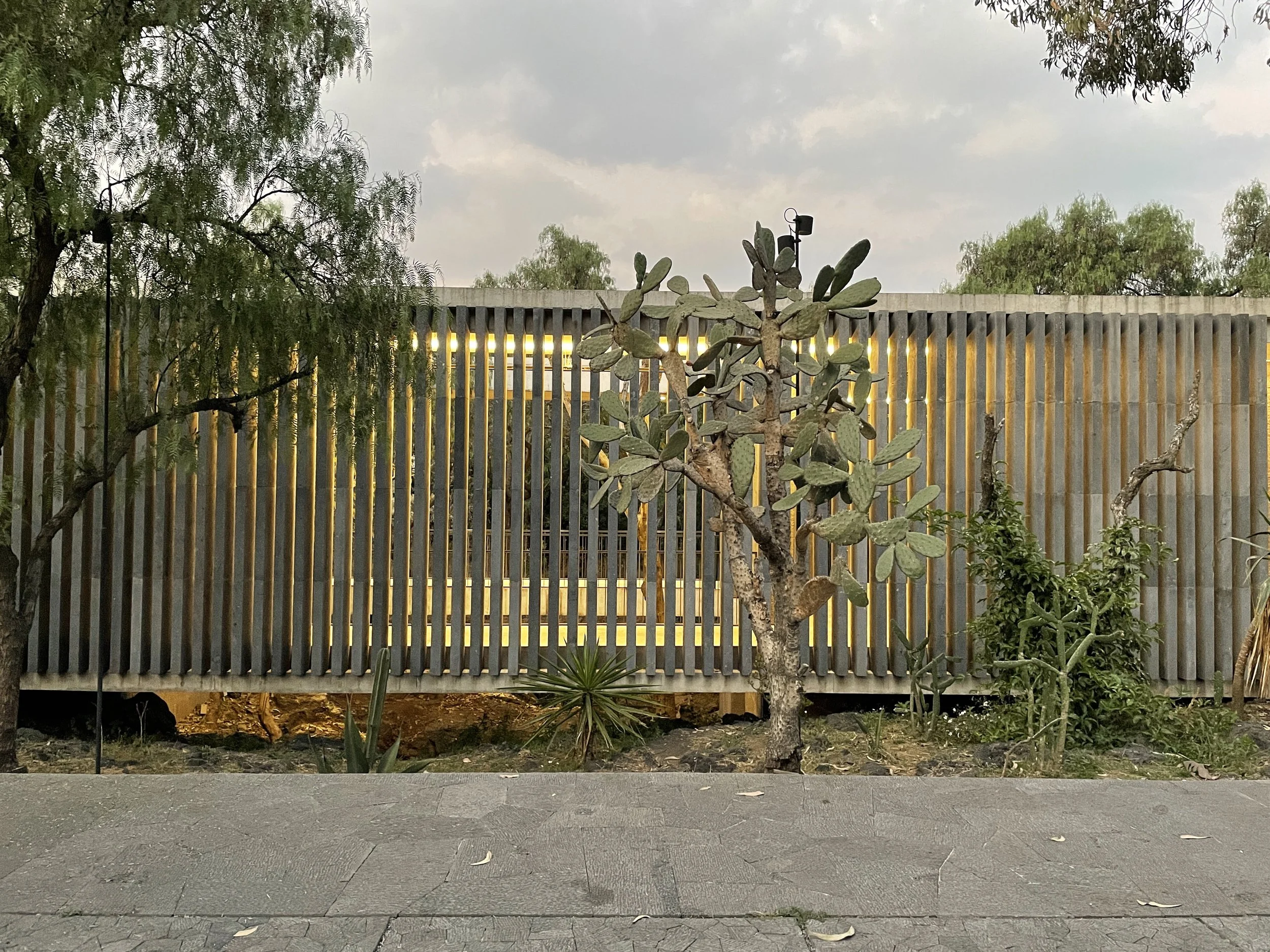
The second why arrived while I was actually practicing. As an intern in Mauricio and Gabriela's office, I didn't wait long before taking on real responsibility. My last project was a 51,000-square-foot remodel and expansion of a museum, and the why that found me there didn't come from the space. It came from the people in it.
Part of my job was talking to everyone whose workplace we were about to change: The director as well as the maintenance staff, the art curator, the event manager. Talking to them, I realized I didn't just want to give them a place to work. I wanted to give them somewhere to thrive. And beyond that, I realized the same building would shape the experience of every visitor who walked through it after we were done. I loved that I wasn't designing for someone. I was designing for a multitude. That's carried into the hospitality work I do now. The idea that what I design might let someone experience a place more fully than they expected to.
So. The second why was learning that a space is never really for one person. It's for the many lives that keep moving through it, and I wanted to show them what it's like to keep a wild garden, to connect to a building differently, to be given space, and time, and ease. To give them serenity.
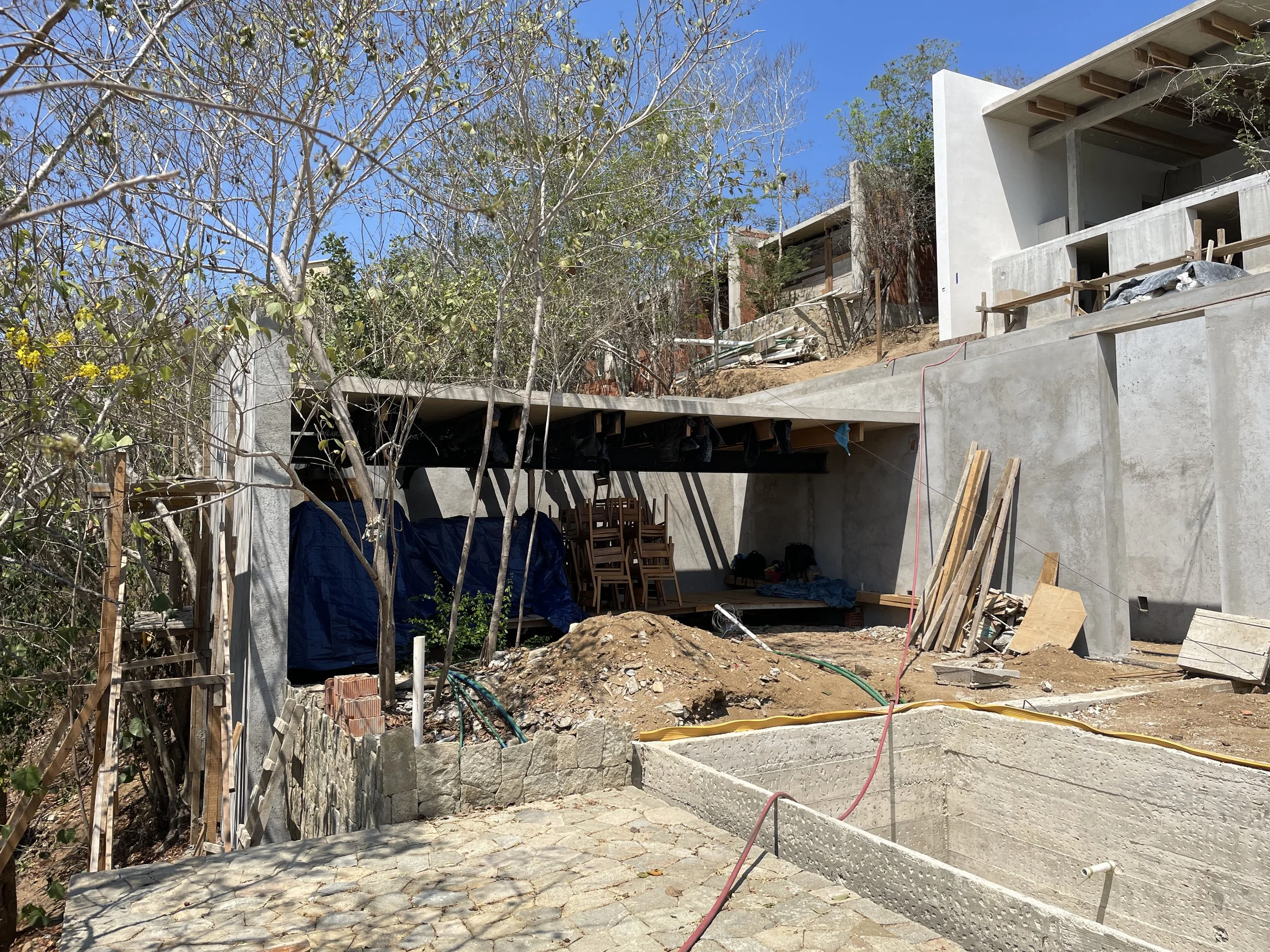
The third why came more recently, from being fully immersed in construction itself. I found out that the feeling I had as a kid watching a tower go up had a reason behind it all along. It's a pure passion, plain and simple, for watching a space become real. Especially when it's my own design. Something that only existed in my head suddenly exists in the world. Little by little I see how the sun actually enters a room. How the air actually moves through it. Ideas about scale, finish, woodworking, and texture stop being ideas and become things I can touch. And I get to notice, alongside the details I aimed for, the ones I never planned for at all.
So why do I do this? Why do I obsess over every design problem that crosses my desk? Because it's more than walls and a roof. It's emotional. It's rooted in how people actually live. I want to communicate through light. I want people's lives to be a little better for having passed through what I made. I believe architecture is more than material set on the ground: light and shadow, the sound of wind, the murmur of water, the play of the senses, bodily awareness, privacy, sensuality. These are what I'm actually building with. Through them, I'm after an architecture that is human, emotional, and functional, in that order.