An Island as a Case Study for Contemporary Architecture
Through the window of the ferry, I caught my first glimpse of Sifnos, an island in the Aegean Sea. Little by little, I started to notice its wonders as we arrived in town. With the uncertified guidance of a driver who was born and raised there, the island started to take shape. From hillsides full of olive trees to a goat population that outnumbers the people in winter, I realized this island was far more interesting than I had anticipated.
When I chose to travel to Sifnos, I didn’t know its architecture would touch me so much. Yet here I am in an ancient Greek town, noticing how the elements that make up the architecture of this island relate to contemporary architecture. The more I discover the island, the more I think that timelessness, purity, and nature might be the strongest essence of contemporary architecture. When a building is created just from a core understanding of the landscape, the materials, and the pure purpose of hosting people, the meaning of time is irrelevant.
In an earlier post we already discussed how a building from the 1950s can feel as contemporary as any other being built at this moment. But what happens if we look even further back in time?
I want to dive into over two thousand years of Greek architecture, which creates the landscape of this island and Mediterranean towns that can feel as timeless as Can Lis, the house of Jørn Utzon, or the Gando Primary School by Francis Kéré. Bear with me as I try to unwrap this idea.
I would like to emphasise that when I talk about these concepts, I am talking about my own understanding of contemporary architecture and the ideas that shape my practice. This is how I preserve and analyze the sources of inspiration that guide my inner design process.
If you think of the buildings that create the Greek Mediterranean landscape and start peeling off the elements that speak of ancient architecture, you can see that the core wisdom of those buildings was created by the sensitivity to the landscape, the climate, and the materials at hand. I do understand that the romantic scene of the old town is hard to take away, but every construction can be taken individually, and you will see that each one holds a complete understanding of the nature of the place: material, climate, placement, and human reality.
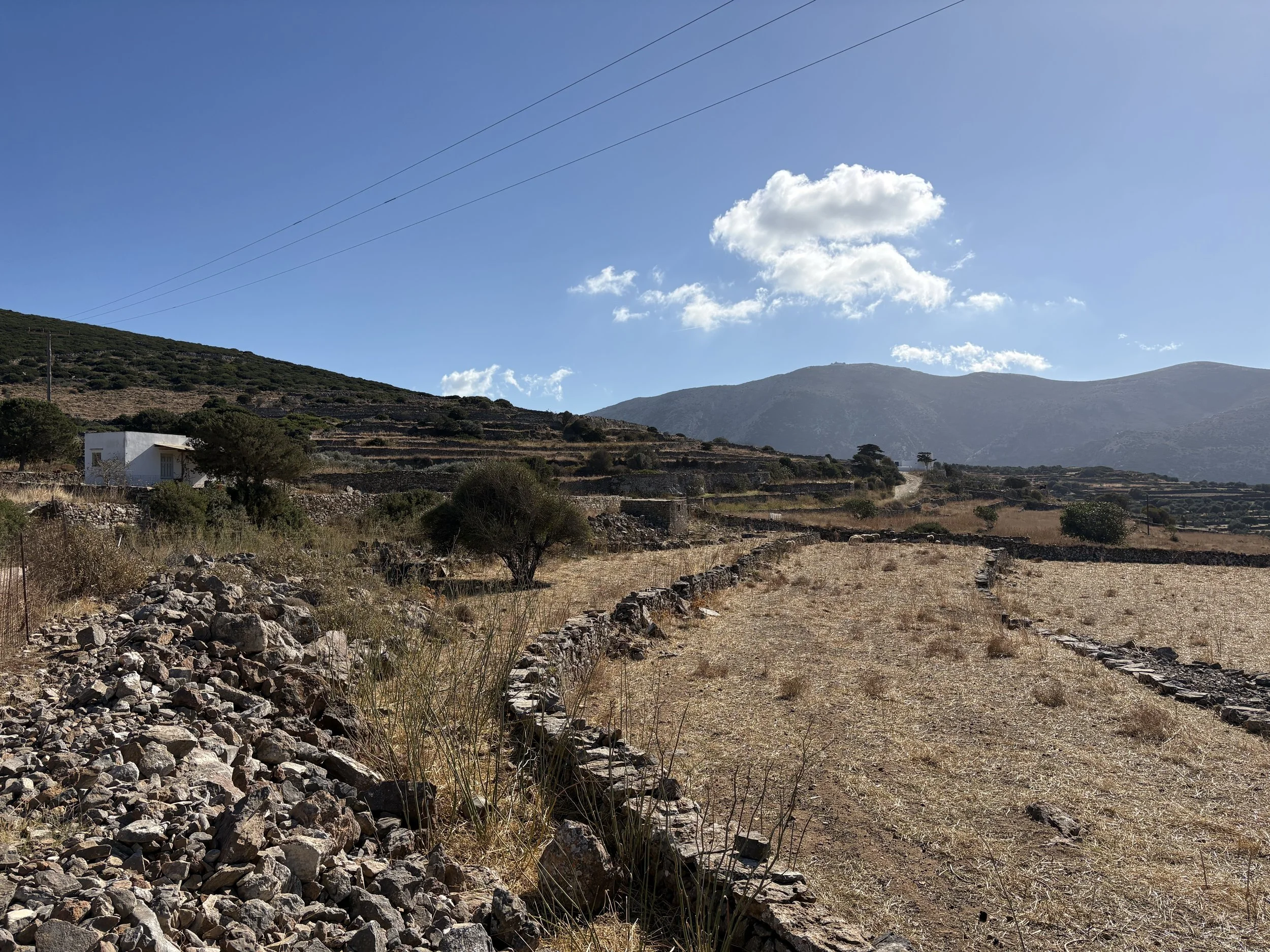
First, the placement on the landscape is completely purposeful. Its first transformation is to hold olive trees, which creates the terrace form where the building can rise. This correlation between understanding the land, creating flat ground to hold human use, and from there creating a building that protects and gathers people is the deep knowledge of the site. It gets the wisdom of the hill, the roughness of the wind, the necessities of cattle, and then it creates architecture. Not by chance or accident, but by intentionally laying roots into the ground.
Second, the material. The walls come directly from the ground, as they are made of the same ground materials. The walls are raised from the same stones they pick up from farming. Nothing comes from far away, so nothing looks foreign.
The geometry it is pure, there is no desire for style or branding. The shapes are created by angles that understand the landscape and the construction method, which take a 90° turn to hold space safely and consistently. It turns to create patios where they are needed. It’s circular and logical. It’s just pure and honest.
Third, the climate brings the flat roof into the building. The lack of rain and the strong winds create the necessity of breaking the wind, where a lighter structure could be lifted. The white walls reflect the hard sun, and the openings respond to light but also to protection. It opens where it has to, and it closes where the wind or the light are not needed. The building also opens into shaded terraces to endure the hot summer months, while they shut down to endure the rough moments of the year.
Lastly if you look into the people you can start to understand how scarcity, conflict, piracy and climate shaped these buildings into what they are. They create from a logic of being able to shut themselves in times of conflict. But at the same time to open space to gather, to cook, to process olives. This honesty was forced on them. These buildings were not made out of pride or richness, they were made out of necessity, with a pure reason to exist.
That purity of origin is what makes them feel timeless. They don’t belong to a moment because they were never built from a moment. And I believe that with a few refinements, any of them could be contemporary today.
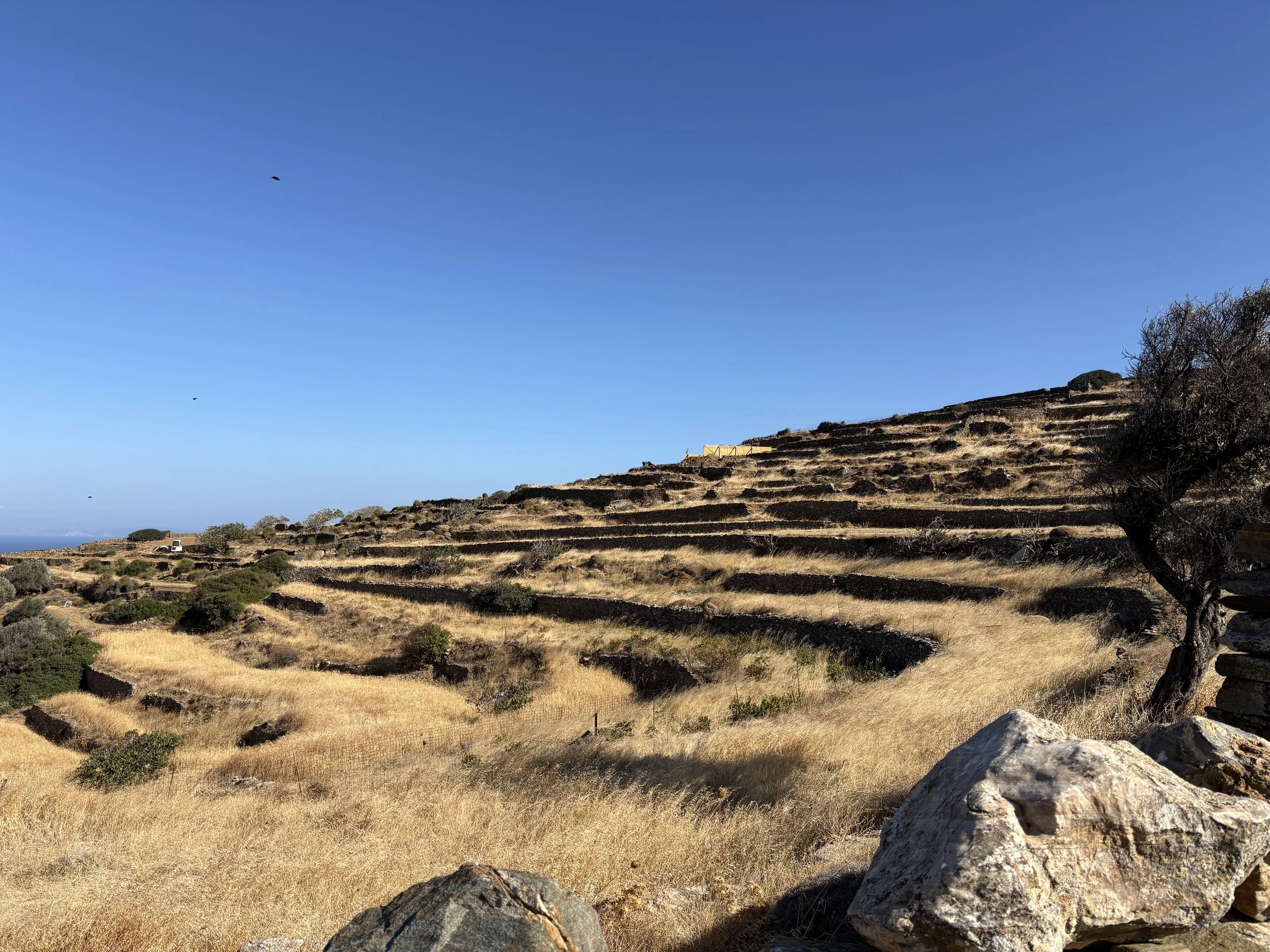
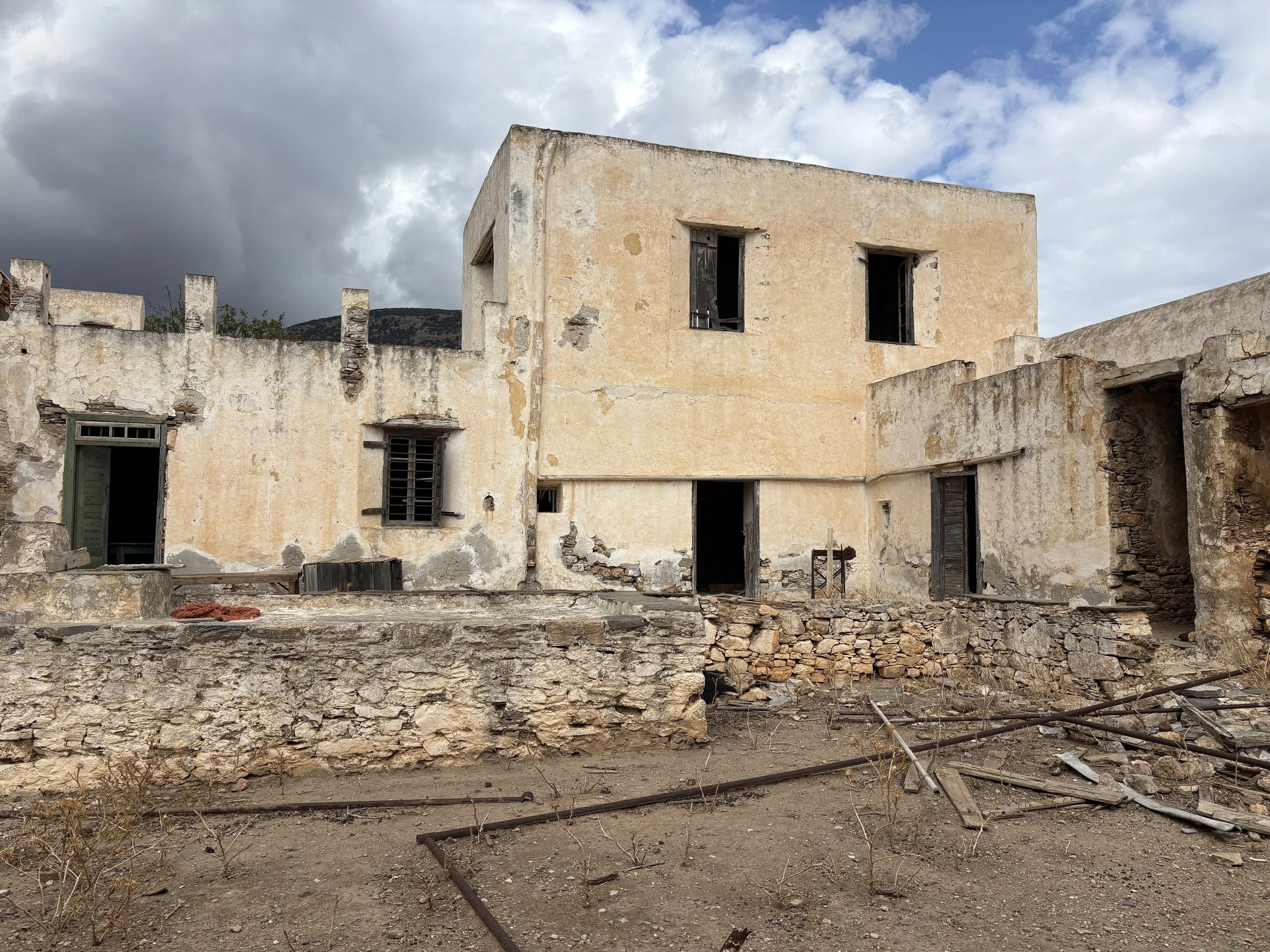
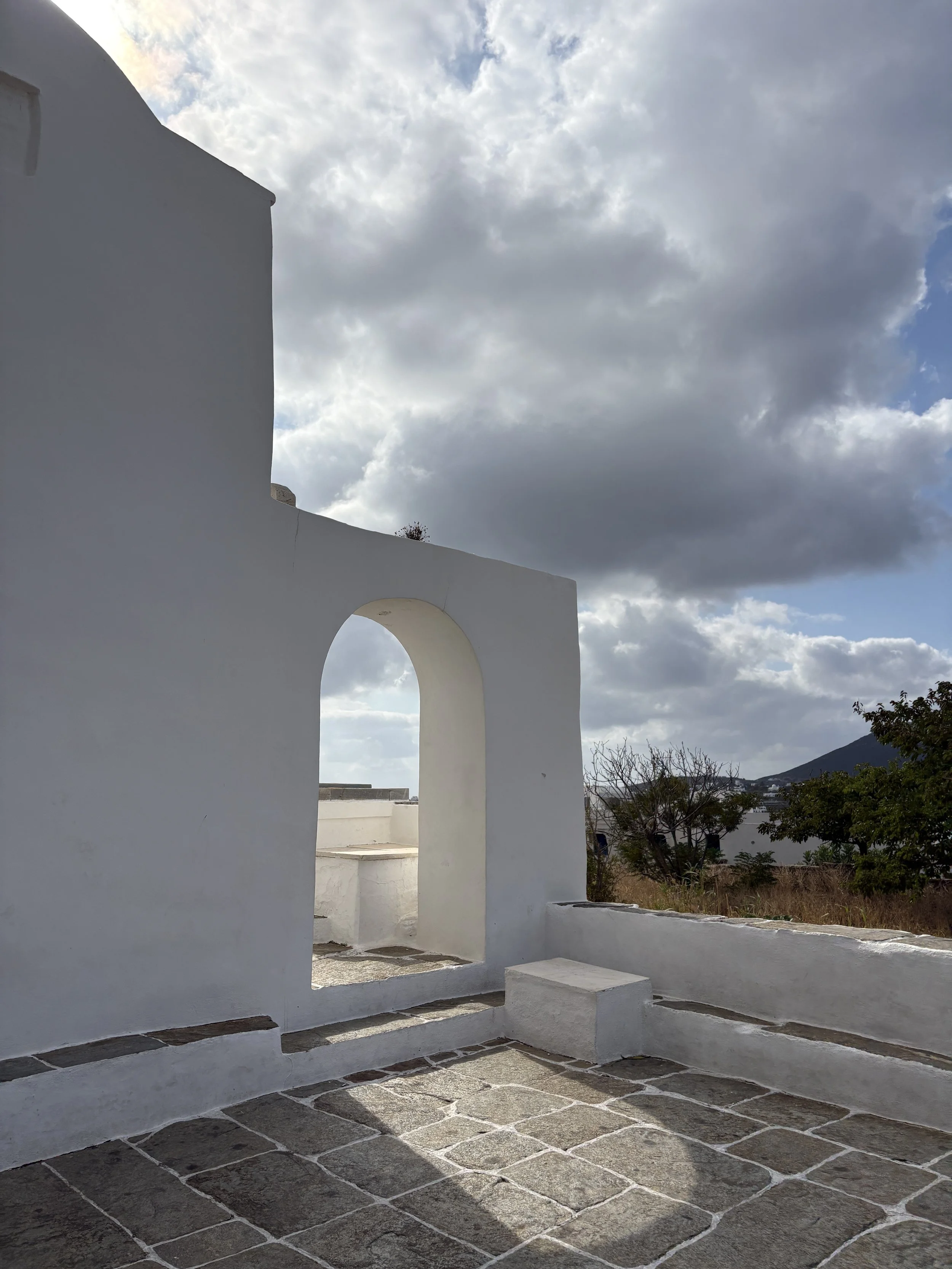
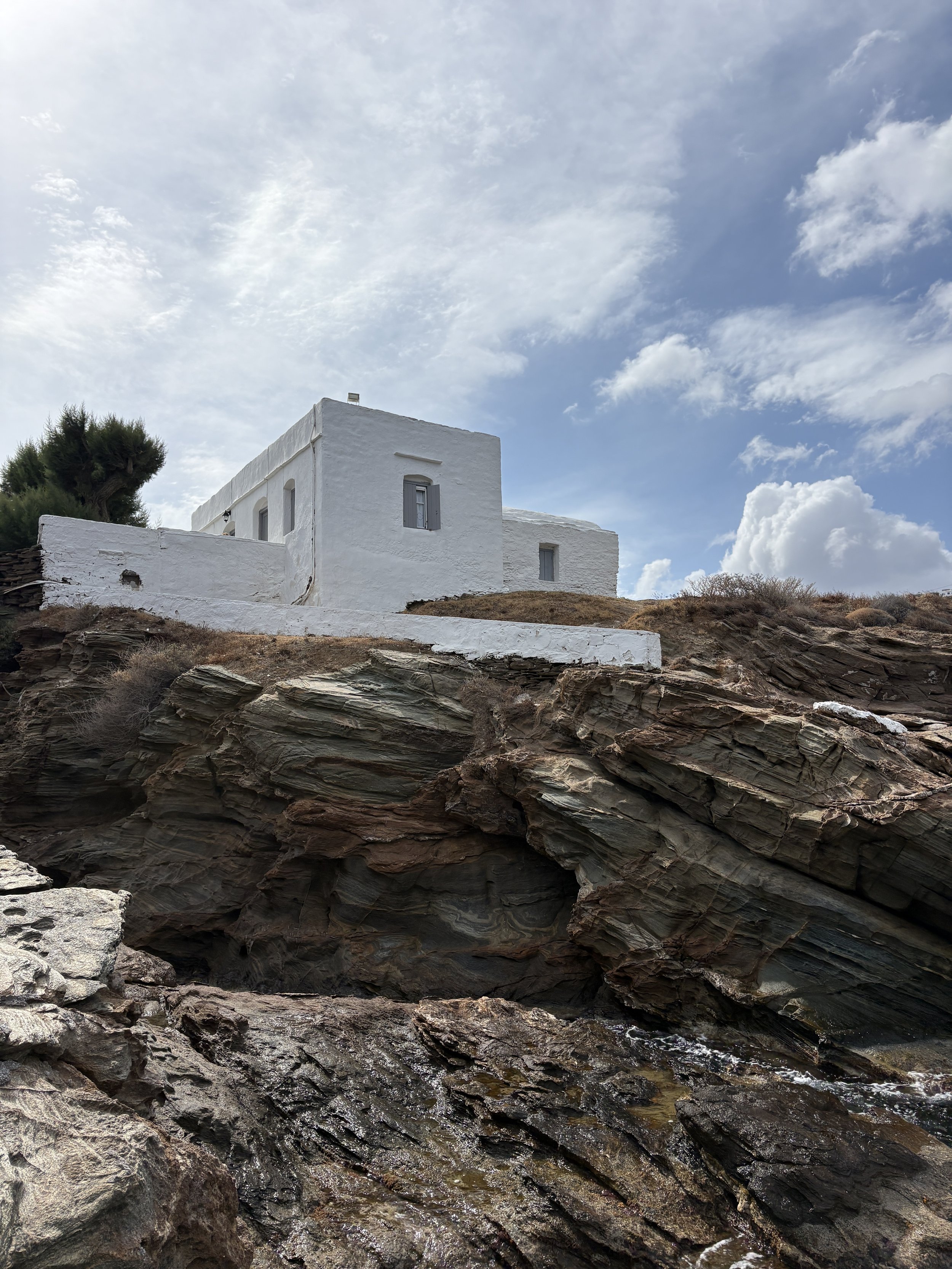
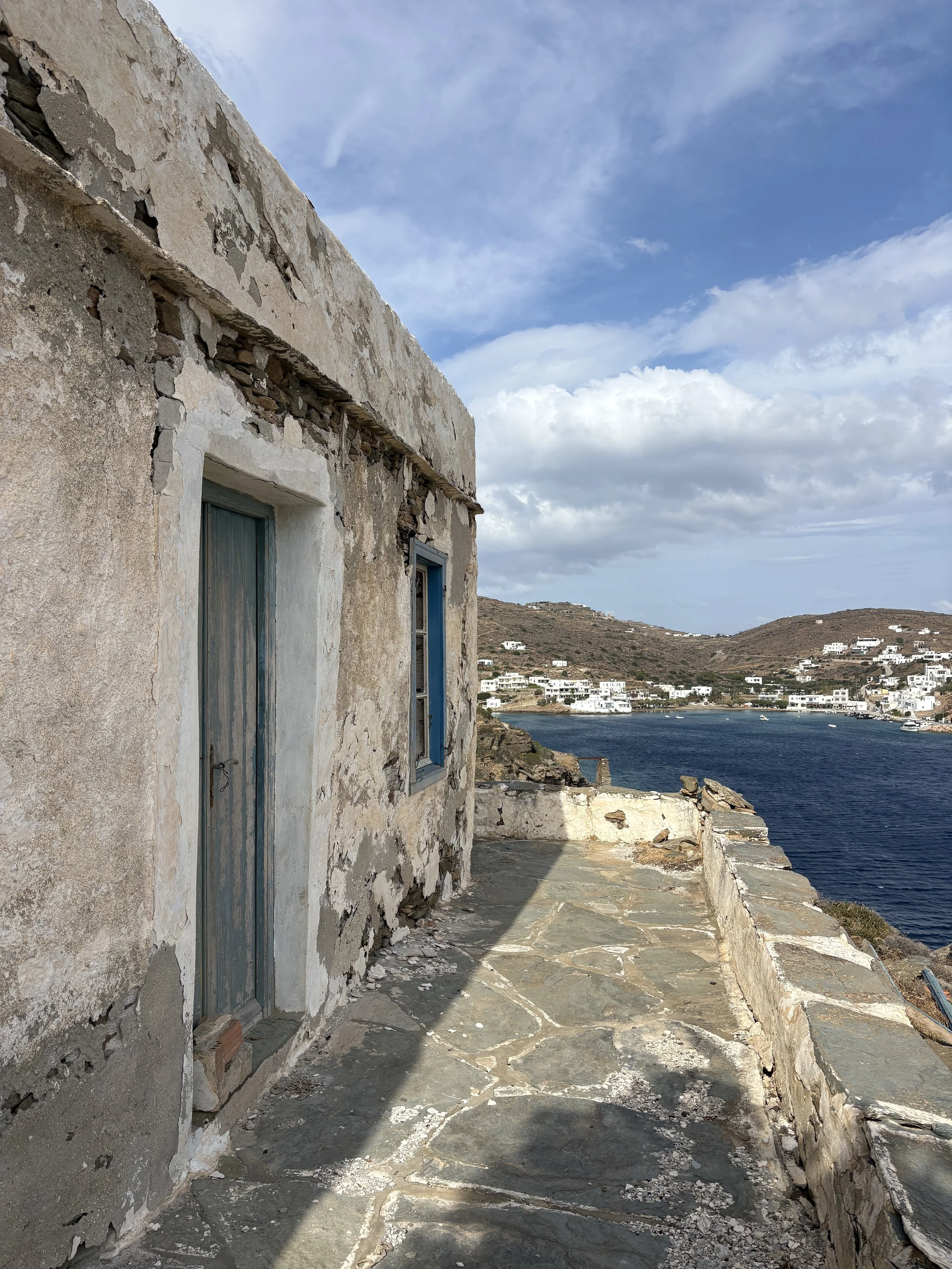
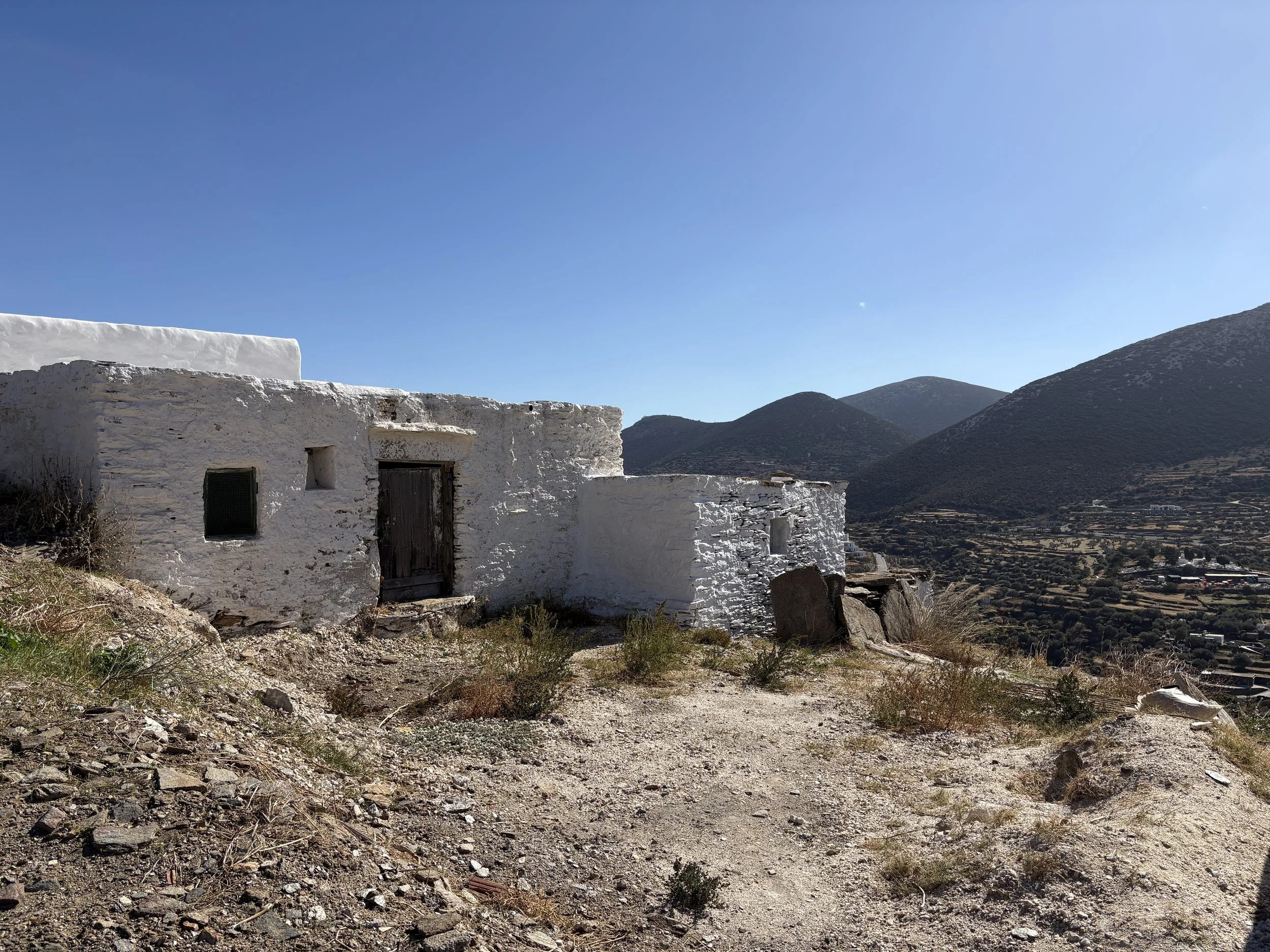
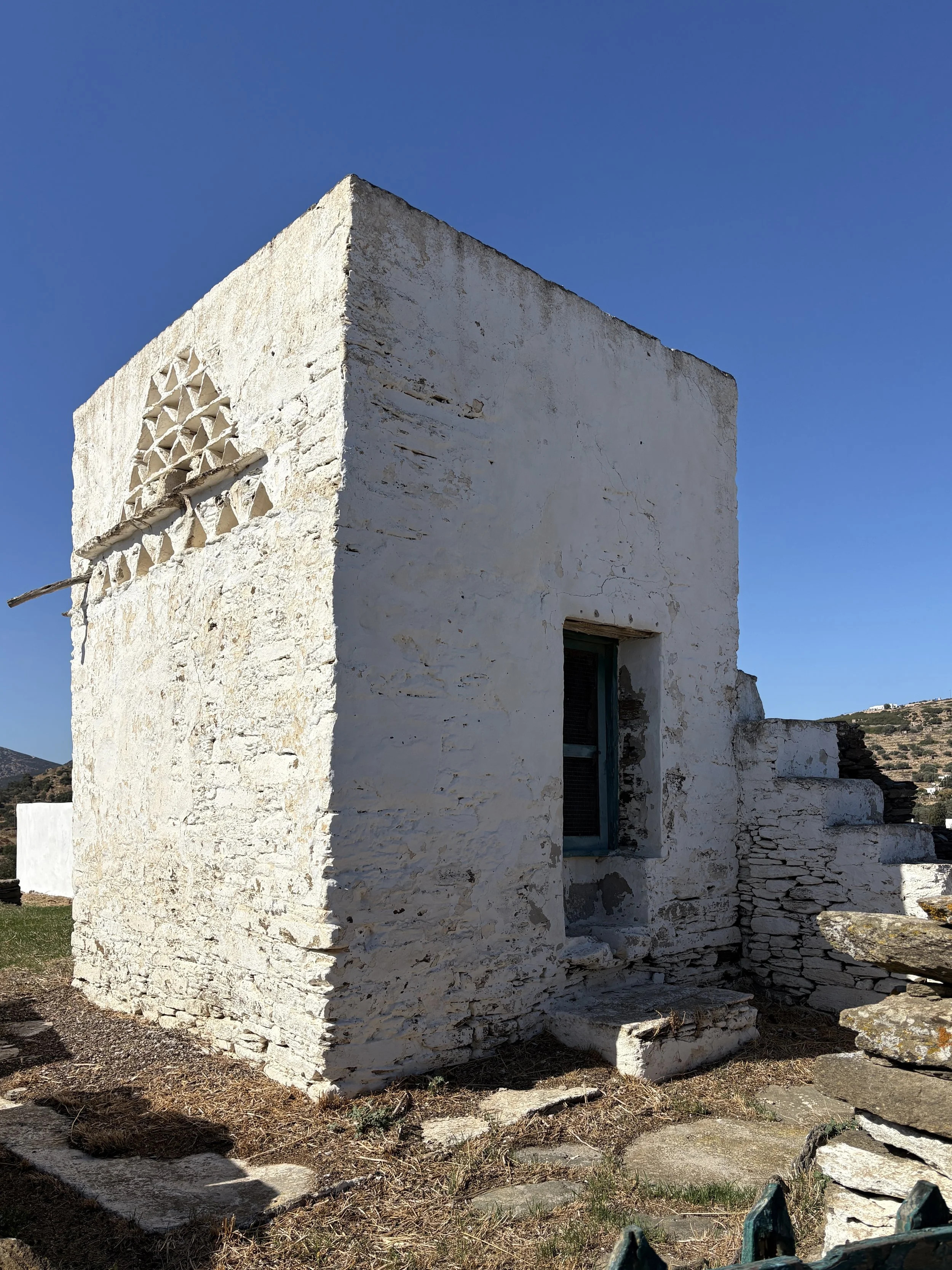
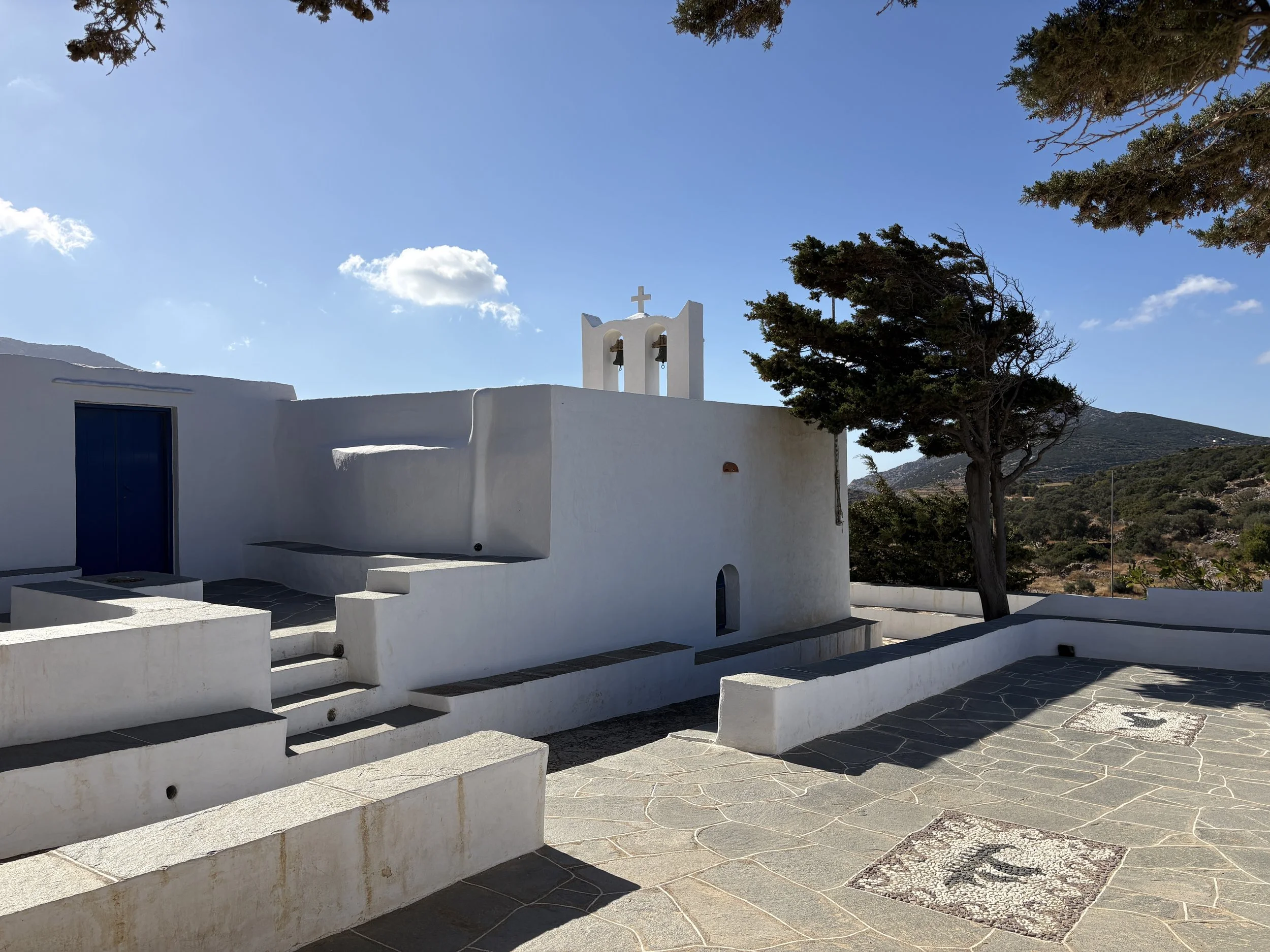
You can see it in today’s Greek practice too. Villa Mandra by K Studio is a house set on one of these islands, a project that carries all of this wisdom into a contemporary building. It rises from the ground, uses the materials and construction methods of the region, and with clean and honest geometry creates a house that belongs there.
This two millennia of heritage wasn’t linear. It all started with a terrace on a hill, an olive tree, and the need to shelter, and the journey of this wisdom has led to this over hundreds of years.
Now I want to bring it back to projects like Can Lis and the Gando Primary School. These projects have also a sense of material that belongs to the place where they were created. They have a close relationship to the landscape, not only to the soil but also to its surroundings. They host the necessities of the people living in those places, taking in their culture and ways of living. When I think about contemporary architecture, these are the elements that remain, over technicalities, structural complexities, or budgets. Regardless of location or year of construction, I can see the same understanding of the site in the house of Jørn Utzon and in the academic buildings designed by Kéré that I saw on the white walls of Sifnos.
All of this is just a means to an end. The idea that good architecture comes from the land itself. From that understanding comes the timelessness and purity of building exactly there.
That understanding is the foundation of every project I take on. I don't want to be defined by one project that was published and had a lot of momentum for a short period of time. I want to create architecture that feels beautiful within its purity, integrates seamlessly into the landscape, and has a presence that comes from its timeless creation.
I want to create buildings that feel they could stand for two thousand years.
